The Boom of Japanese Restaurant Chains in Vietnam: A Promising New Market
In recent years, Japanese cuisine has become one of the leading food trends in Vietnam. With rapid economic growth, rising incomes, and increased cultural exchange, Vietnam's food market has become an attractive destination for international restaurant chains, especially well-known Japanese brands. From fresh sushi to convenient fast food like gyudon (beef bowls), Japanese chains have captured the hearts of Vietnamese consumers with their distinctive flavors and high-quality service.
1. Expansion Trend of Japanese Restaurant Chains in Vietnam
Japan has long been famous for its rich and unique cuisine, recognized by UNESCO as an Intangible Cultural Heritage. To bring these flavors closer to international consumers, major Japanese restaurant chains have begun expanding into many countries, with Vietnam being one of the key markets. Particularly, major cities like Hanoi and Ho Chi Minh City have become the first landing points for these Japanese chains.
This expansion not only includes traditional dishes like sushi or udon noodles but has also diversified into other culinary offerings such as curry, beef bowls, and even Japanese-style burgers. The growth of Japanese restaurant chains in Vietnam is not just about meeting culinary demands but also creating a new lifestyle for Vietnamese youth, who are increasingly drawn to international cuisine.
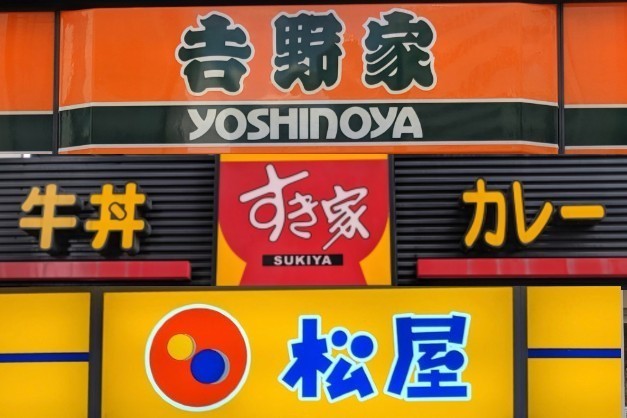
2. Top Three Japanese Beef Bowl Chains in Vietnam: Yoshinoya, Sukiya, and Matsuya
Japanese cuisine has long won the hearts of Vietnamese consumers with its delicate flavors, high-quality ingredients, and professional service. Among the famous dishes from Japan, gyudon (beef bowls) is one of the most popular choices due to its convenience, nutrition, and affordable prices. The three leading Japanese beef bowl chains – Yoshinoya, Sukiya, and Matsuya – have officially entered the Vietnamese market, offering consumers the chance to experience their signature dishes without traveling abroad.
.jpg)
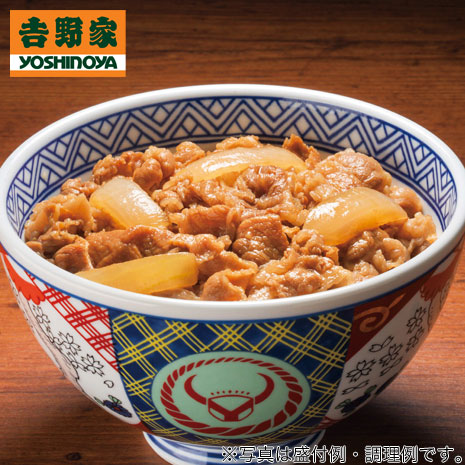
a. Yoshinoya (吉野家) – Japan’s Oldest Beef Bowl Chain
Yoshinoya is Japan’s oldest gyudon chain, established in Tokyo in 1899. With over 120 years of development, Yoshinoya has become a symbol of Japanese cuisine and has expanded to many countries worldwide, including Vietnam.
b. Sukiya (すき家) – Japan’s Largest Beef Bowl Chain
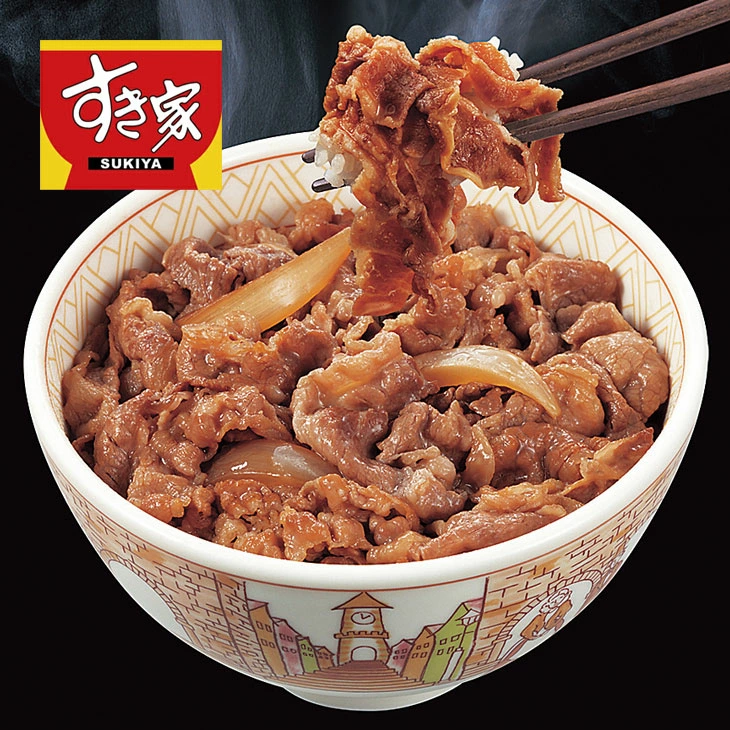
Sukiya is the largest gyudon chain in Japan, with thousands of outlets worldwide. With the philosophy of “cheap, delicious, and fast,” Sukiya offers consumers convenient, nutritious meals.
c. Matsuya (松屋) – A High-Quality Beef Bowl Brand
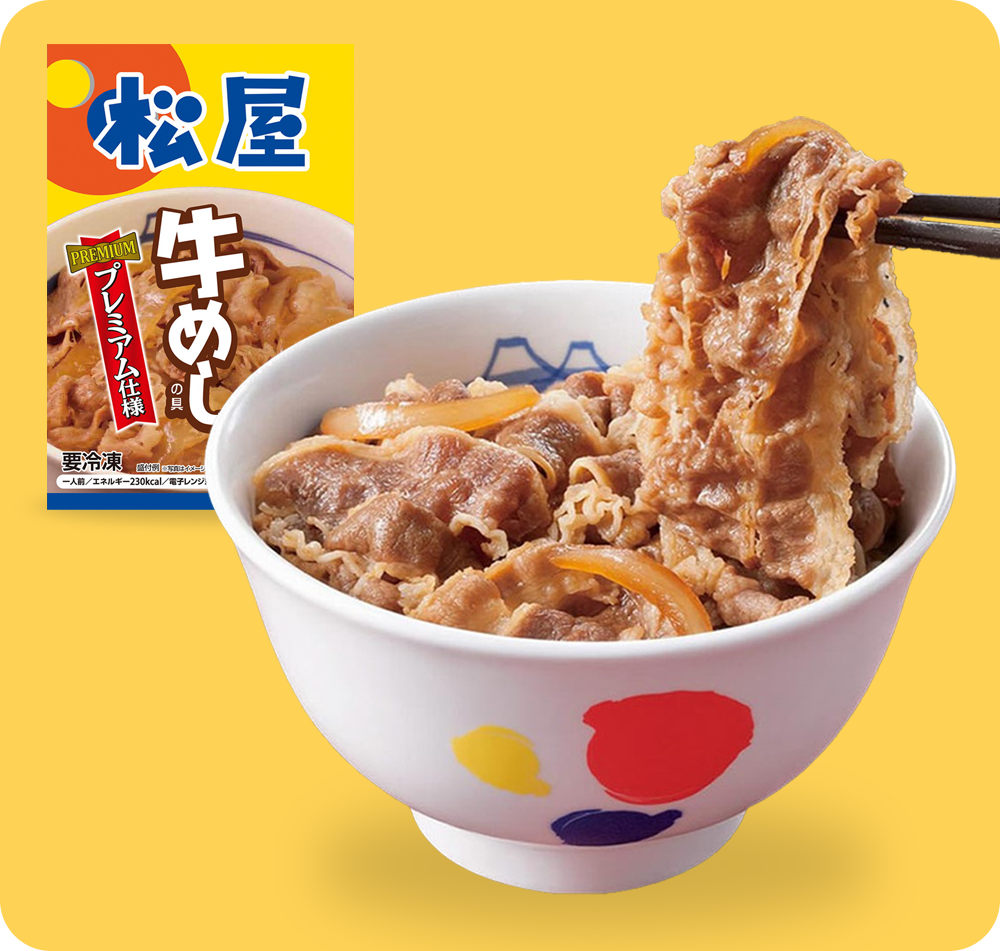
Matsuya is one of Japan’s leading gyudon chains, renowned for its meticulous attention to detail and rich flavors. Matsuya prioritizes customer satisfaction and is committed to using the freshest ingredients.
3. Why Japanese Chains Choose Vietnam as Their Destination
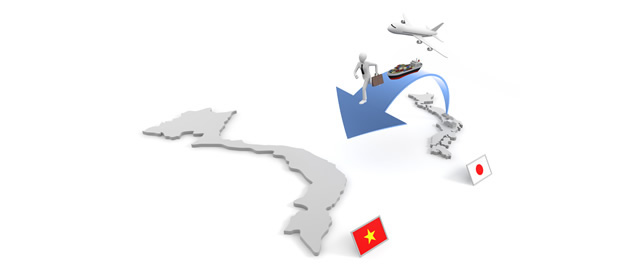
- Rapid economic growth: Vietnam is one of Southeast Asia’s fastest-growing economies, with a stable GDP growth rate. This creates an ideal environment for Japanese chains to seek expansion opportunities.
- Rising middle class: With economic development, Vietnam’s middle class is growing, driving demand for international products and services, including Japanese cuisine.
- Popularity of Japanese culture: Japanese culture has had a significant impact on Vietnam through media, anime, manga, and other pop culture elements. This has created a natural attraction for Japanese food brands.
4. Challenges in Expanding into the Vietnamese Market
While the potential is significant, Japanese chains also face several challenges when entering Vietnam:
- Intense competition: In addition to Japanese chains, Vietnam’s food market has also witnessed the entry of many international chains from countries like Korea, the U.S., and Europe, creating fierce competition.
- Adapting to local tastes: One of the biggest challenges is how to adjust the menu and flavors to suit Vietnamese consumers while maintaining the authenticity of Japanese cuisine.
- High operational costs: Importing ingredients from Japan and renting premises in major cities like Hanoi and Ho Chi Minh City can be costly, requiring strategic financial planning.
Conclusion
With the strong growth of the three leading Japanese beef bowl chains Yoshinoya, Sukiya, and Matsuya, Vietnamese consumers now have more options to enjoy authentic Japanese dishes right in their own country. These brands not only provide delicious meals but also contribute to enriching Vietnam’s diverse and vibrant culinary landscape. Looking ahead, these chains are expected to continue expanding and meeting the ever-increasing demands of the Vietnamese market.
Recent Posts

Autumn Picnic to View Red Leaves: A Memorable Team Building Event at Toneri Park, Adachi-ku, Tokyo

Vietnamese Teachers' Day: Honoring Silent Devotion

Japan Tightens Bicycle Safety Regulations: A Step Forward in Traffic Management

Overview of the Building Cleaning Specific Skills Visa
 Tại Nhật Bản.jpg)